TSA
TEXTILE STUDIES ACADEMY
Textile Studies Academy
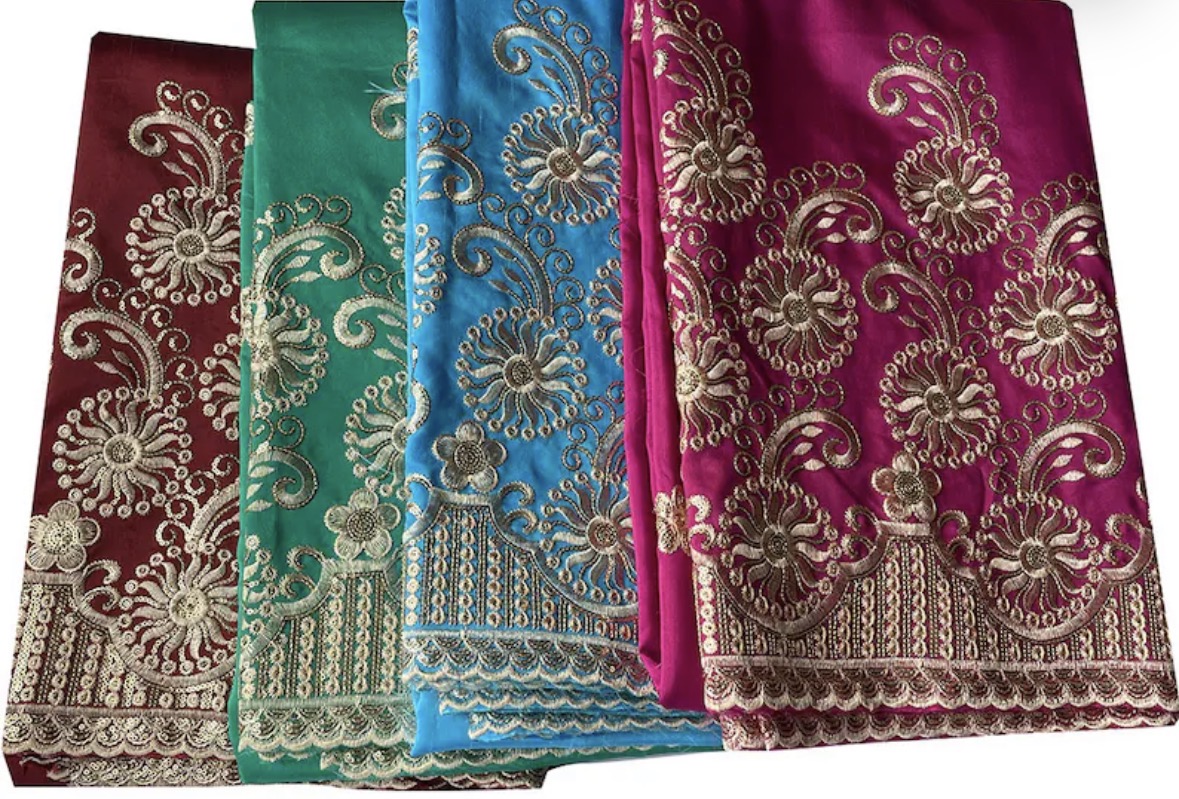
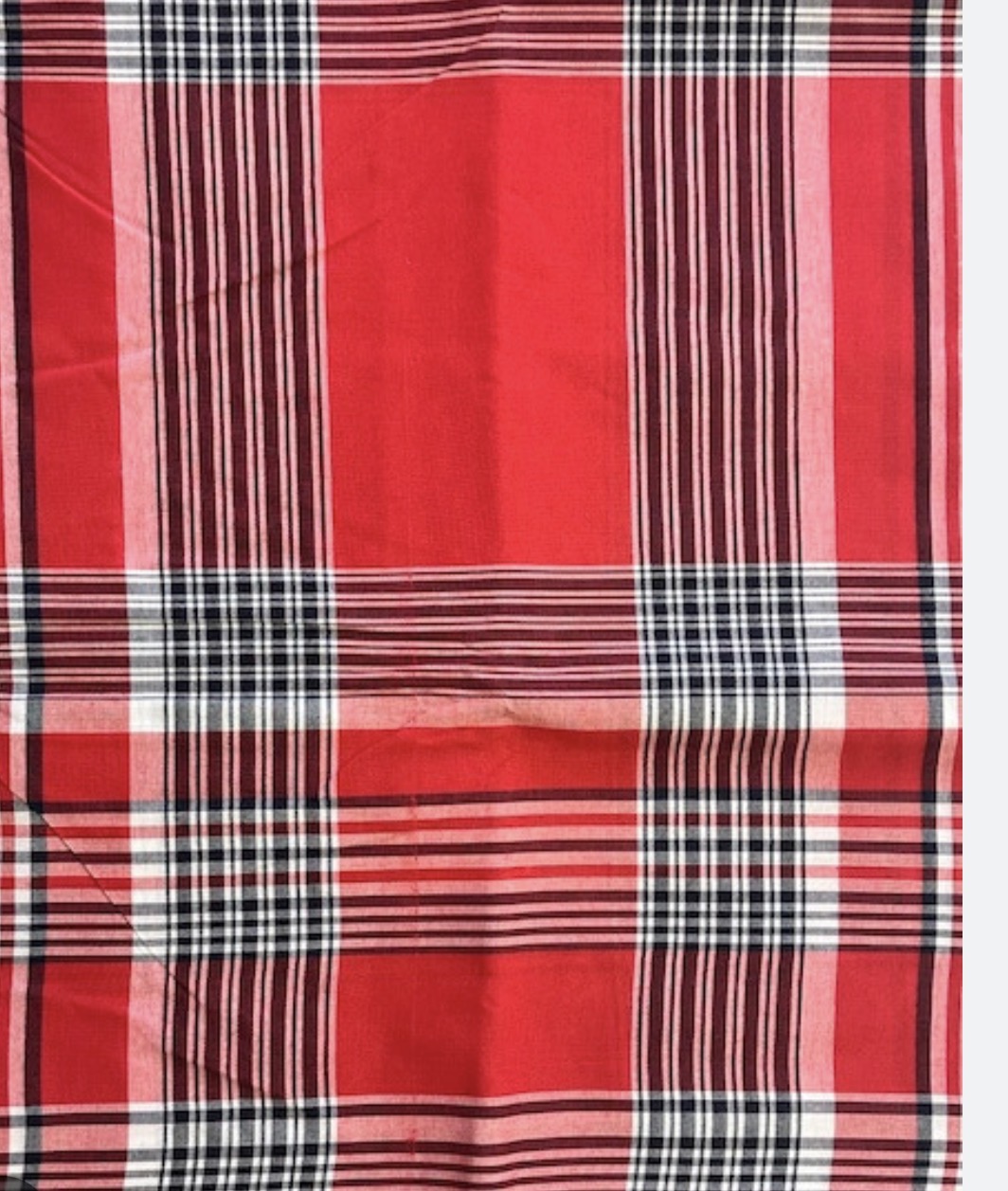
Jioji, also known as Jorji and George, is a cloth closely associated with Igbo women, especially the women of Akwete. It became an important material for women’s wrappers and blouses, as well as men’s loin wrappers, and was worn for social and ceremonial occasions. The cloth could also be a sign of wealth, while its varied patterns and decoration made it an important part of dress and appearance.
History
Why is it called Jioji or George?
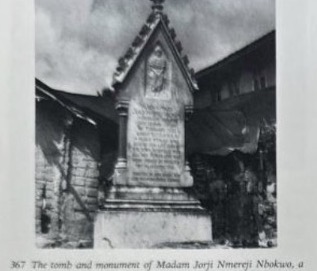
The history of Jioji is closely connected with Jorji Nmereji Mbokwo, also recorded as Mbokwo Orji, a famous Akwete woman weaver whom the cloth’s name was named after upon her death.
Jorji was remembered for her exceptional skill as a weaver and for creating new designs. She said that new designs were revealed to her in dreams. She died in 1921, and a monument was later erected in Akwete in her memory.
The names Jorji, Jioji, Joji and George appear in different writings, with Jioji used as the native form of the textile name. Over time, Jioji came to describe a range of lightweight cloths, both locally woven and factory produced and has remained a popular name for the textile.
The original locally woven form is known as Akwete Jioji, or simply Jioji. It was woven on the vertical looms of Akwete. This distinguishes it from factory-produced Jioji and silk Jioji made within or outside Nigeria.
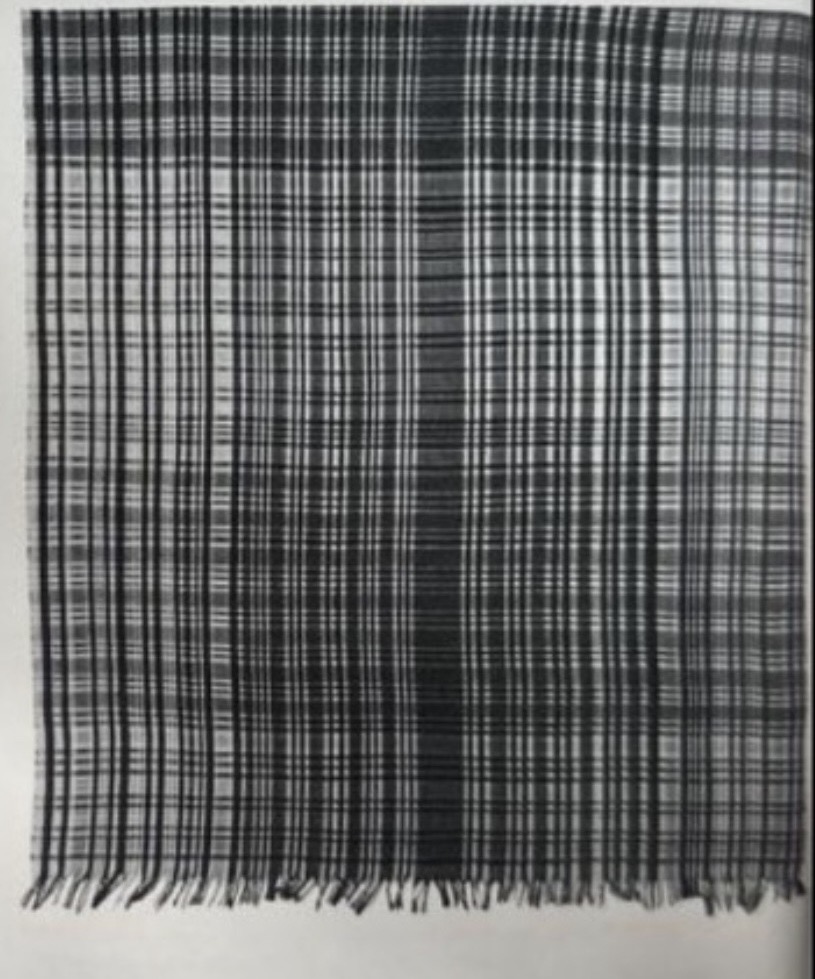
Jioji was influenced by Indian Madras cloth. Madras introduced patterns and styles that became important to Akwete weavers, but these influences were adapted within the local weaving tradition. Akwete women developed the patterns through their own knowledge, techniques and creativity.
Jioji therefore has a history that brings together outside textile influences and local Igbo weaving. The influence of Madras is part of its history, but the development of Jioji within Akwete belongs to the skill and creativity of the women who wove it.
Design
Jioji appears in several forms, including plain, striped and checked patterns.
The checked design is particularly important. Madras textiles provided an influence, but Akwete weavers adapted the checked arrangement within their own design vocabulary. The patterns became part of the wider tradition of Akwete weaving.
Striped Jioji could contain repeated lines arranged in different ways, while plain Jioji provided a simpler surface. Some examples were enriched with gold-coloured thread woven into the fabric. Others were embroidered with floral motifs, while more elaborate forms could include sequins and mirrors.
Among Igbo women, Jioji was commonly worn as a double-layered waist wrapper, paired with a blouse and, for more formal dress, an Ichafu headtie. The wrapper could extend towards the ankles, allowing its woven structure, colours and decoration to remain visible. Beads and other ornaments could complement the textile.
Men wore Jioji as a loin wrapper, with an additional length sometimes draped across the upper body and over one shoulder in a toga-like style. These different ways of wrapping and draping show how Jioji became an adaptable part of Igbo dress, with the character of the textile shaped by the way it was worn and combined with other elements of the attire.
 Textilestudies.academy
Leave a comment